
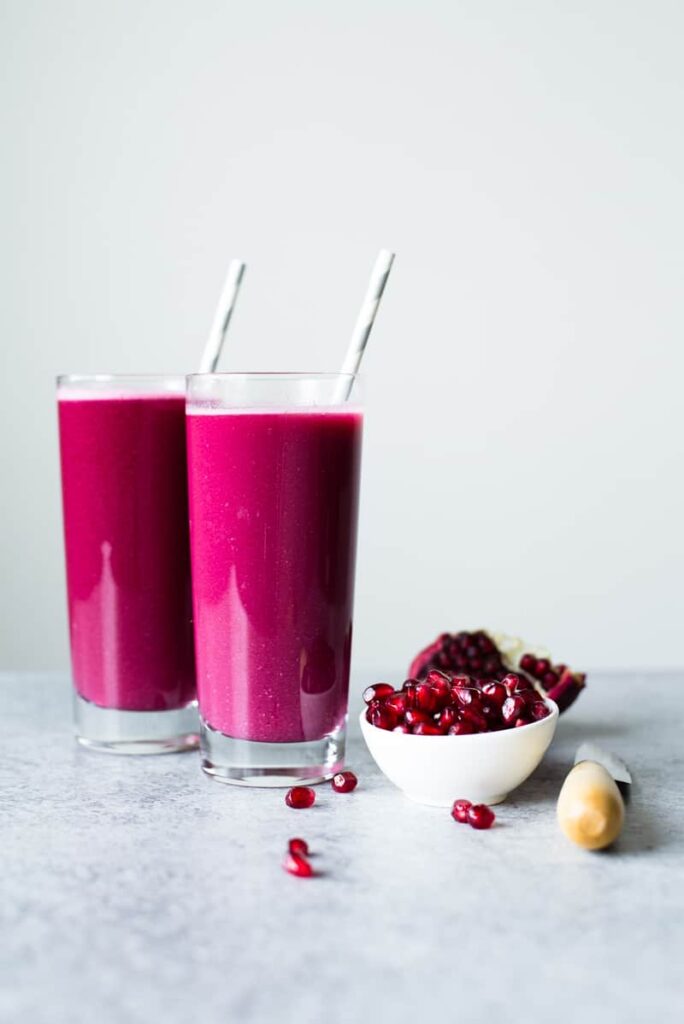
Pomegranate juice is not only delicious but also packed with essential nutrients and antioxidants. If you’ve ever wondered at home, you’ve come to the right place. This guide will walk you through the entire process, from selecting the best pomegranates to extracting the juice efficiently, while also highlighting health benefits and storage tips.
Why Pomegranate Juice is Beneficial
Pomegranate juice is rich in vitamins C and K, potassium, and powerful antioxidants called polyphenols. Regular consumption of this juice can help improve heart health, boost immunity, and reduce inflammation. Knowing at home ensures you get all these benefits without added sugars or preservatives found in store-bought versions.
Selecting the Right Pomegranates
The first step in making perfect pomegranate juice is choosing the right fruit. Look for pomegranates that are:
-
Firm and heavy for their size
-
Bright red or deep pink in color
-
Free from cracks or bruises
Ripe pomegranates are more likely to yield sweeter juice with a vibrant color, enhancing both taste and presentation.
Preparing the Pomegranates
Before juicing, you need to prepare the pomegranates carefully:
-
Wash the fruit thoroughly to remove any dirt or pesticides.
-
Score the pomegranate by making shallow cuts around the middle.
-
Break the fruit open over a bowl of water to prevent juice splatter and reduce bitterness from the pith.
-
Separate the seeds (arils) from the peel and membrane. The arils are what you’ll use to extract the juice.
Methods to Make Pomegranate Juice
There are several methods to extract juice from pomegranates, depending on your tools and preferences:
1. Using a Blender
-
Place the pomegranate arils in a blender.
-
Blend for a few seconds until the seeds are crushed but not completely pulverized.
-
Strain the mixture using a fine mesh sieve or cheesecloth to separate the juice from the pulp.
2. Using a Manual Juicer
-
A manual juicer or citrus press works well for smaller quantities.
-
Press the arils gently to extract juice, then strain to remove any remaining pulp.
3. Using an Electric Juicer
-
Electric juicers are ideal for larger batches.
-
Feed the arils into the juicer and collect the juice directly in a container.
-
This method is quick, efficient, and minimizes waste. Know more
Tips for Enhancing Flavor
-
Mix a pinch of salt or a few drops of lemon juice to balance sweetness.
-
Combine pomegranate juice with other fruit juices like orange or apple for a refreshing blend.
-
Chill the juice before serving to enhance taste and refreshment.
Storing Pomegranate Juice
Fresh pomegranate juice has a short shelf life. To store it properly:
-
Keep it in an airtight container in the refrigerator for up to 3 days.
-
For longer storage, freeze the juice in ice cube trays and thaw as needed.
-
Avoid adding preservatives; fresh juice is always healthier.
Common Mistakes to Avoid
-
Using unripe pomegranates: This results in sour juice with less sweetness.
-
Over-blending seeds: Can release bitter flavors from the pith.
-
Not straining properly: Leads to a gritty texture and pulp in the juice.
By avoiding these mistakes, you can enjoy smooth, flavorful pomegranate juice every time.
Health Benefits of Regular Pomegranate Juice
Regularly drinking pomegranate juice can:
-
Support heart health by improving blood flow and reducing cholesterol
-
Boost the immune system with high vitamin C content
-
Fight inflammation thanks to antioxidant compounds
-
Promote healthy skin and reduce signs of aging
Knowing ensures you consume it at its freshest and most nutritious form.
Conclusion
Learning at home is simple, cost-effective, and highly rewarding. By following the steps outlined above—selecting ripe fruits, properly preparing the arils, using the right juicing method, and storing juice correctly—you can enjoy a fresh, nutrient-rich drink anytime. Fresh homemade pomegranate juice is not just a tasty beverage; it’s a healthy habit that supports overall well-being. Learn morehealthynibblesandbits.com/how-to-make-pomegranate-juice